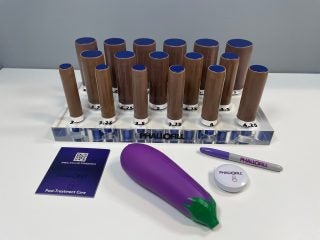

Novel sperm enhancement technology fills a gap in the market as an affordable, accessible alternative to IVF
At a time when approximately 15 percent of Canadian couples experience infertility — with male infertility identified as the sole cause in about one in three cases — a Toronto researcher is being recognized for her groundbreaking work to advance a more affordable and accessible alternative to in vitro fertilization (IVF) by focusing on sperm enhancement.
The innovative work has earned Dr. Narjes Allahrabbi a Mitacs Innovation Award — Canadian Start-Up Innovator of the Year, awarded by Mitacs, a leading innovation organization that connects businesses and researchers with unrivalled access to talent, financial support, and the partnerships needed to turn ideas into impactful innovations. The award will be presented at a ceremony at the National Arts Centre in Ottawa on November 17.
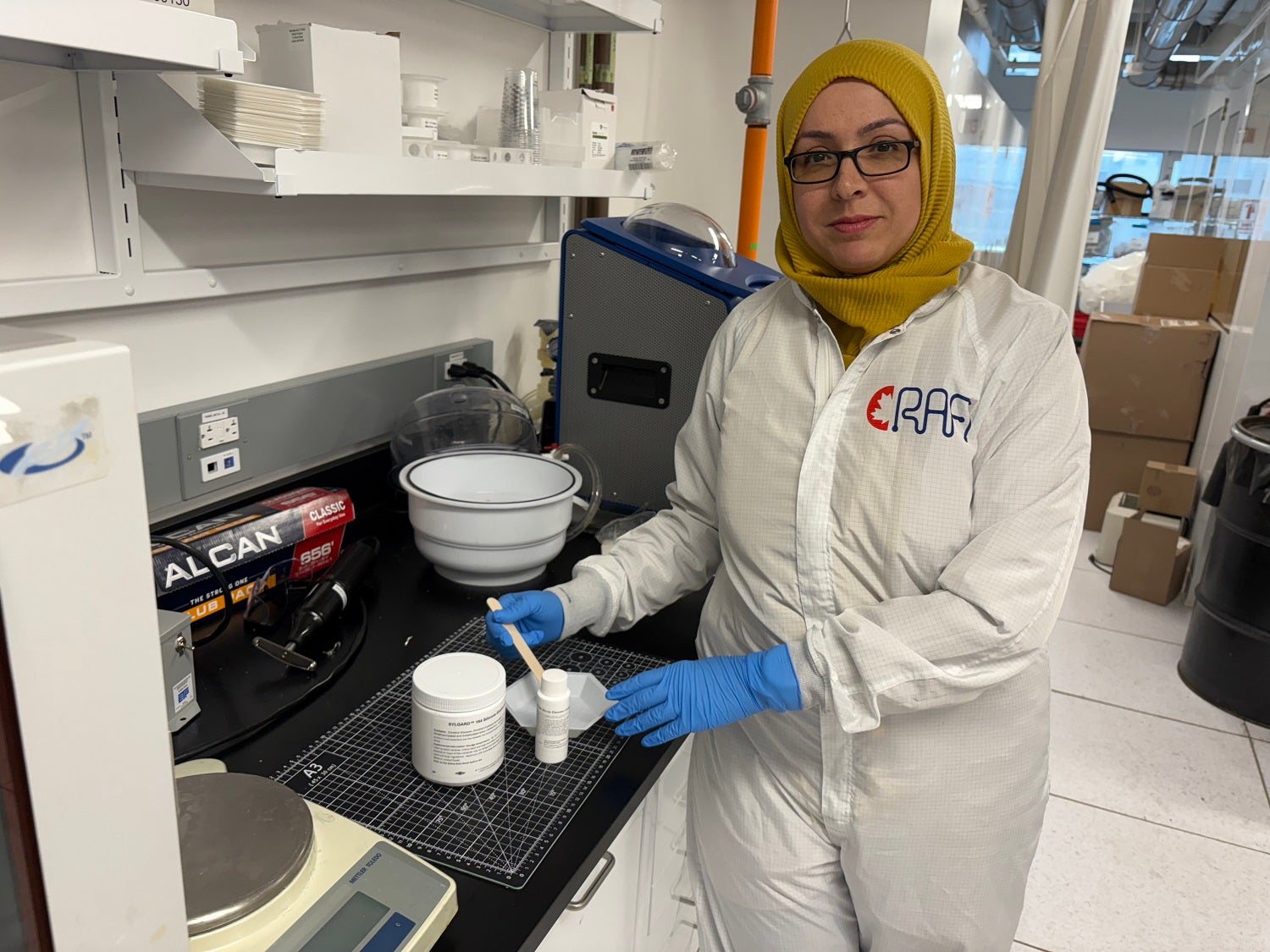
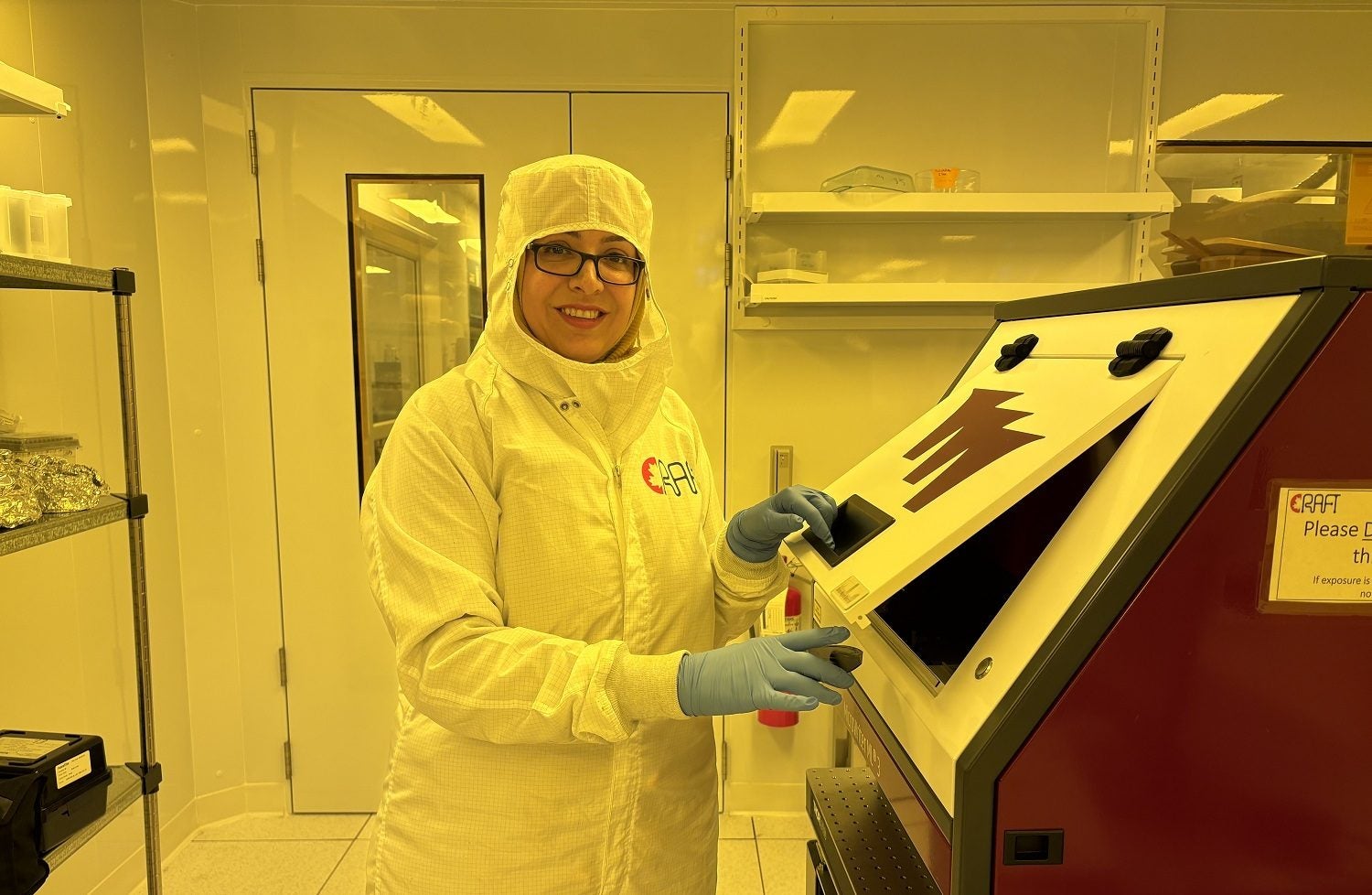
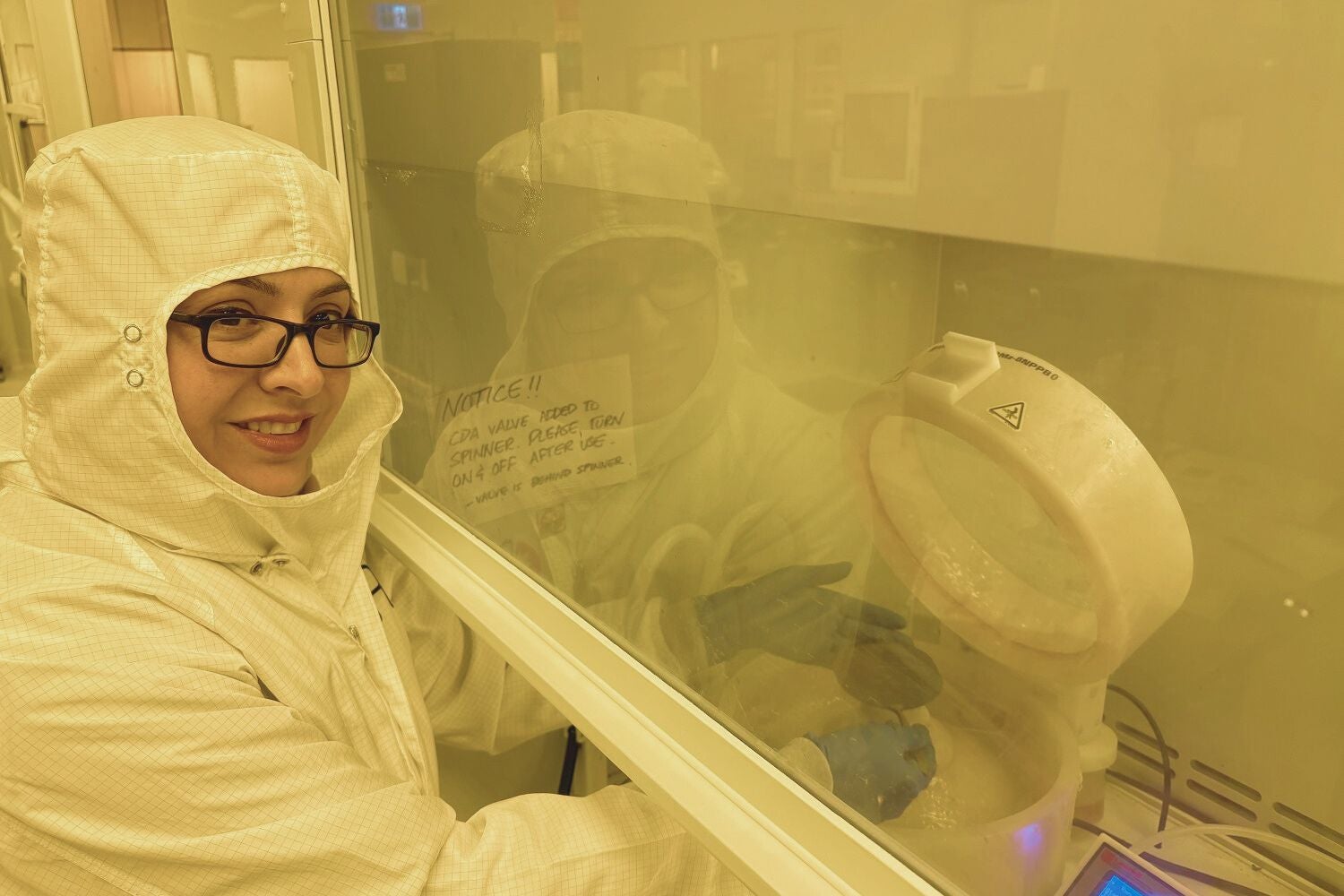
Dr. Allahrabbi — a postdoctoral researcher working in the Electrical, Computer and Biomedical Engineering Department at Toronto Metropolitan University under the supervision of Professor Virgilio Valente and Dr. Darius Rackus — is being recognized for her work to advance an automated sperm preparation device that gently separates unhealthy and healthy sperm. The goal is to make intrauterine insemination (IUI) an affordable, less invasive alternative to IVF treatment for male infertility patients, which can cost upwards of $15,000 to $20,000.
Her innovation led to the launch of Toronto-based start-up Fertilead, which is now in the process of developing both clinical and at-home versions of the technology, with a pre-clinical validation study expected to start at CReATe Fertility Clinic in Toronto early next year.
“Mitacs not only supported commercialization of the innovation through funding, but more importantly, provided the academic affiliation, strategic direction and exposure to entrepreneurial training required to go from lab to market,” said Dr. Allahrabbi, adding that she first came up with the concept for the device — a microfluidic, automated sperm preparation cassette — while studying at the National University of Singapore in 2020.
“Through Mitacs, I was able to orchestrate a more straightforward path to market, with promising results,” said Dr. Allahrabbi, who filed a patent for the technology prior to coming to Canada.
“The Canadian Fertility and Andrology Society (CFAS) has stated that IUI is a safe, effective, and essential fertility treatment that plays a vital role in providing accessible, patient-centred reproductive care across Canada,” she explained. “Ensuring equitable access to IUI supports the principles of inclusivity, autonomy and reproductive justice in Canadian fertility care, and the CFAS advocates for expanding its availability in wider primary healthcare settings across the country.”
‘This highlights the need for more effective and gentler fertility treatments and urges the fertility community to think innovatively about improving IUI efficacy,’ said Dr. Allahrabbi, whose device requires minimal laboratory infrastructure or specialized training, suitable for use in primary healthcare settings. Her motivation to develop the innovation stemmed from witnessing the challenges faced by a close friend who “lost hope, many years, and a great deal of money” pursuing IVF treatments without success.”
“Right now, in most male infertility cases, the female partner is undergoing a costly, invasive and time-consuming process using IVF,” she said. “We aim to give them a better choice.”
Fertilead’s sperm preparation differs from conventional sperm preparation techniques by mimicking what happens inside a woman’s body during natural sperm selection. Put simply, it separates healthy sperm from unhealthy sperm. Sperm that demonstrate an upstream swimming behaviour or strong resistance to flow are chosen over non-swimmers, resulting in the best possible sperm sample.
Conventional sperm preparation, on the other hand, relies on using a centrifuge — a machine that applies force to separate sperms by spinning them at high speed. Because male infertility patients already have fragile sperm, that spinning process to remove unhealthy sperm and debris cells also harms healthy sperm, reducing the chance of obtaining a good sample, she explained.
“Our method is gentler and preserves the health of the sperm,” explained Dr. Allahrabbi, who is on a mission to lift the unnecessary burden of infertility treatment off women’s shoulders by improving the efficacy of IUI as a less invasive fertility solution.
Whereas IVF is a multifaceted assisted‐reproductive treatment that involves egg retrieval (often under sedation) and the transfer of one or more embryos into the uterus, the transfer of multiple embryos significantly increases the likelihood of a multiple-birth pregnancy. IUI requires a simple catheter insertion to inject the healthy sperms and lets nature take over from there.
Fertilead has submitted its research and development application with TMU and is in the final stage of securing a Research Ethic Board approval for validation study of FertiliTab, the clinical version of the sperm preparation, with CReATe Fertility Center. An at-home kit, called FertiliEZ, will also be developed and will include a similar sperm preparation device, as well as an insemination tool for couples to use in the privacy of their own home.
The Mitacs Innovation Award — Canadian Start-Up Innovator of the Year celebrates an extraordinary Canadian innovator who used a Mitacs-funded project to kick-start their entrepreneurial journey, demonstrating the infinite potential when research and entrepreneurial vision align. Mitacs programs are supported by funding from the Government of Canada and provincial and territorial governments across the country.
Dr. Allahrabbi is one of 11 Mitacs award winners nationally, nominated from a pool of thousands of researchers who take part in Mitacs programs each year. Additional 2025 award categories include: five winners for Outstanding Innovation, two winners for Research Leadership, one winner for Inclusive Innovator of the Year, one other winner for Canadian Start-Up Innovator of the Year, and Canadian Enterprise Innovator of the Year.
In congratulating the winners, Mitacs CEO Dr. Stephen Lucas reflected on the importance of innovation talent in shaping Canada’s future. “At a time when we need to build a stronger and more resilient economy, these eleven innovators and organizations demonstrate what’s possible when we invest in ideas, talent, and innovation,” Dr. Lucas said.
For more information about the Mitacs awards and a full list of winners, visit www.mitacs.ca/newsroom.
About Mitacs
For over 25 years, Mitacs has helped grow the economy and develop the workforce of tomorrow, connecting industry with academia and global partners to solve real-world challenges. We support business-academic research collaboration through internships, co-funded with businesses, for undergraduate to graduate students and post-doctoral fellows. As a national innovation connector, Mitacs takes a talent-first approach to strengthen innovation capacity and drive global competitiveness. We serve as an essential research-commercialization bridge, accelerating market entry and growth for new products and services. This is a critical time for Canada to think big and take bold action. Mitacs is ready to help build a strong and resilient Canadian economy, powered by ideas, talent and innovation.
Mitacs is funded by the Government of Canada, the Government of Alberta, the Government of British Columbia, Research Manitoba, the Government of New Brunswick, the Government of Newfoundland and Labrador, the Government of Nova Scotia, the Government of Ontario, Innovation PEI, the Government of Quebec, the Government of Saskatchewan, and the Government of Yukon.